What's Included in Renovation Services? A Comprehensive Guide to Your Remodeling Requirements
Remodeling services include numerous essential elements intended to enable successful renovations. These include design consultations, choosing materials, and project management. Each phase plays an important role in creating a cohesive outcome. Comprehending these components can significantly influence the quality and efficiency of the remodel. Yet, many property owners overlook key aspects that can affect their total satisfaction. What should one focus on when starting on such a project?
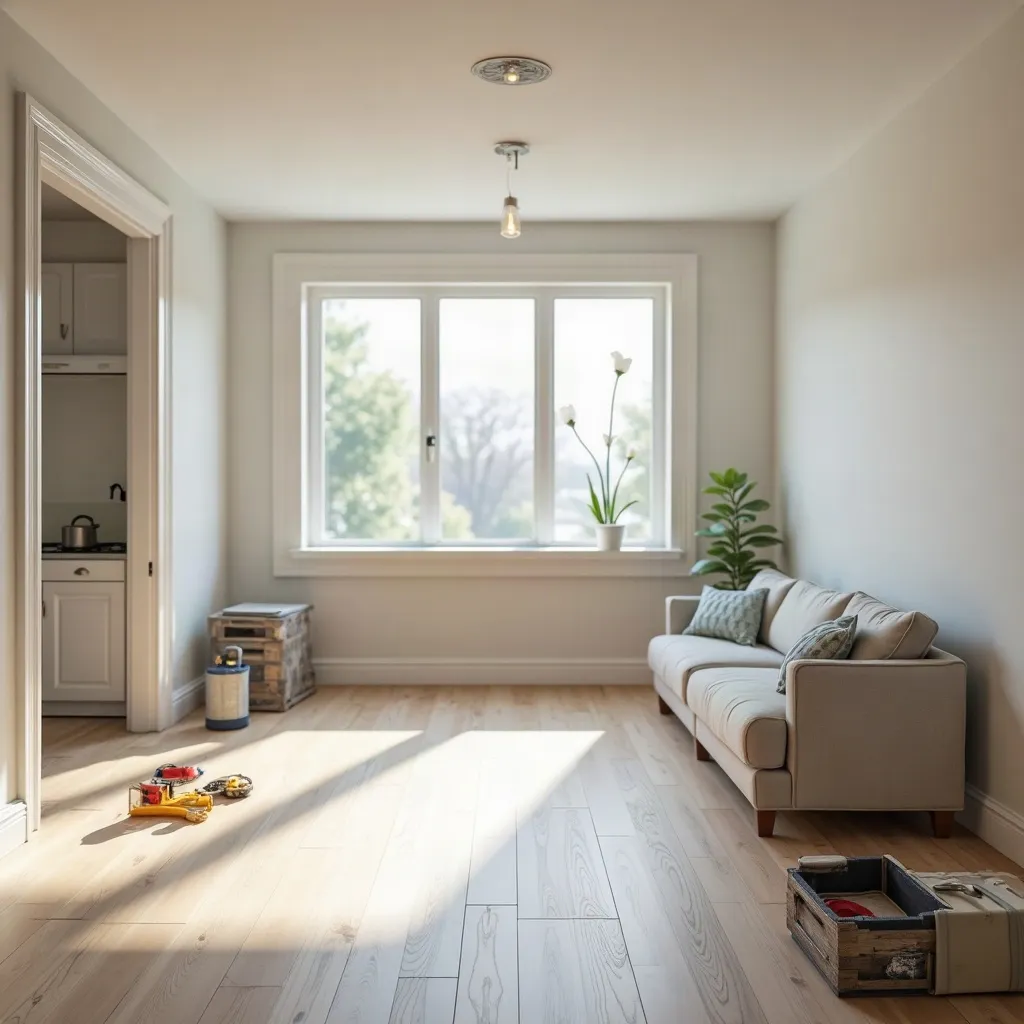
What Are the Key Components of Remodeling Services?
When assessing remodeling services, understanding the key components is crucial for a effective project. Key elements typically consist of design, financial planning, choosing contractors, and project management. The planning stage includes conceptualizing the fresh arrangement and visual appeal, making sure it aligns with the homeowner's goals. Budgeting is essential, as it covers all expenses, from supplies to labor, and avoids overspending.
Selecting a reputable contractor is another vital component, as their knowledge directly impacts the caliber and efficiency of the remodel. Homeowners should assess factors such as track record, testimonials, and previous work.
Finally, efficient project oversight ensures that timelines are met and that communication between all parties remains clear throughout the process. By comprehending these components, homeowners can manage the intricacies of renovation services, resulting in a successful remodel that meets their needs and expectations.
Picking the Most Suitable Design Expert Session: Essential Considerations to Examine
Selecting the appropriate design consultation is essential for a thriving remodeling undertaking. Elements such as the consultant's experience and knowledge, along with alignment in aesthetic preferences, play a important role in ensuring that the final outcome aligns with the homeowner's vision. Careful consideration of these aspects can lead to a more satisfying and streamlined remodeling experience.
Track Record and Expertise
Selecting the best design consultation can considerably impact the success of a remodeling project. Experience and expertise are crucial factors to take into account when choosing a consultant. A professional with a robust portfolio proves a history of successful projects, displaying their ability to handle challenges effectively. Moreover, familiarity with local building codes and design trends can improve the project’s outcome. It is also beneficial to evaluate their approach to problem-solving and communication style, as a cooperative relationship fosters creativity and innovation. Additionally, seeking testimonials or reviews from previous clients can provide insight into their working methods and reliability. Ultimately, prioritizing experience and expertise guarantees a smoother remodeling process and a more satisfying end result.
Design Style Coordination
The success of a remodeling project depends not only on expertise but also on design style compatibility between the homeowner and the consultant. Choosing a design consultant requires considering personal aesthetic preferences in conjunction with the consultant's portfolio. Homeowners should consider whether their vision aligns with the consultant's strengths, whether those are modern, traditional, or eclectic styles. Open communication is essential; discussing inspirations and expectations assists in bridging any gaps. Furthermore, looking over past projects can demonstrate the consultant's capacity to adjust to various styles. Compatibility extends beyond aesthetics; understanding how well the consultant listens and incorporates feedback is vital. In the end, a harmonious partnership founded on shared design values can significantly improve the remodeling experience and result in a pleasing outcome.
Selecting Remodeling Choices: Critical Information You Must Comprehend
Choosing remodeling materials demands that property owners consider durability, aesthetic appeal, and budget constraints. Right materials can improve the longevity of a project while also complementing the overall design. Understanding available options ensures a balance between quality and affordability.
Material Endurance Examination
Durability is a key aspect in choosing remodeling materials because it significantly influences the longevity and upkeep of a space. Choosing materials that can handle wear and tear is crucial for any renovation project. For example, flooring options like ceramic tiles and hardwood offer varied durability levels; tiles resist moisture and scratches, while hardwood can enhance the look but may require more maintenance. Moreover, countertops made from quartz or granite offer both strength and stain resistance. It’s also important to factor in the local climate since certain materials fare better under specific conditions. Investing in robust, premium materials not only improves the space’s functionality but also reduces the need for frequent repairs or replacements, thereby saving time and money.
Appearance Enhancement Factors
While practicality is essential, the visual beauty of remodeling materials significantly affects the general atmosphere of a space. Selecting the appropriate materials involves evaluating color palettes, textures, and patterns that complement the design vision. Natural materials, such as wood and stone, typically create coziness and elegance, while modern metals and glass can produce a contemporary feel. Additionally, the finish of surfaces—matte, glossy, or textured—can dramatically affect the perception of light and space. The harmony between materials is vital; mismatched elements can disrupt a unified look. Ultimately, choosing aesthetically pleasing materials not only improves visual interest but also contributes to a sense of ease and well-being within the remodeled environment.
Wallet-friendly Options Ready
Although remodeling can seem demanding due to financial burden, abundant budget-friendly options are at hand that allow property owners to obtain their desired aesthetic without breaking the bank. Going with affordable alternatives like laminate countertops or vinyl flooring can considerably reduce expenses while providing a refined look. Recycling existing fixtures, such as storage or fittings, through restoration or painting can likewise bring about substantial savings. Property owners may consider procuring materials at local salvage yards or bargain retailers, in which quality items can regularly be found at marked down prices. Selecting spacious configurations or minimalistic designs can additionally cut expenses by limiting the need for comprehensive renovation work. Fundamentally, careful strategizing and inventive approaches provide the means homeowners to proficiently upgrade within a budget.
Comprehending the construction methodology vital steps and Timelines
Managing the construction process needs a comprehensive insight of its vital phases and timelines. Initially, the planning phase includes defining the scope and budget, then selecting an experienced contractor. Once the team is established, the design phase begins, during which blueprints and specifications are completed.
Next, the demolition phase may commence, clearing the way for new construction. This is followed by the construction phase, where building modifications occur, encompassing framing, wiring, and pipe installation. Each of these steps has specific timelines, often influenced by the project's complexity and the material availability.
In conclusion, the finishing touches include painting, flooring, and installing fixtures. A thorough understanding of these stages, in conjunction with their particular timelines, allows homeowners manage expectations and copyright effective communication with contractors, facilitating a smoother renovation process.
Do you need to plan for licenses and regulations?
Throughout the building phase moves forward, grasping the required approvals and guidelines becomes paramount for dwelling owners. Connecting with regional officials during the initial stages of the remodeling journey can illuminate which permits are required for distinct projects. Building codes, municipal zoning rules, and safety regulations differ depending on jurisdiction, making it crucial to investigate these aspects before starting the renovation.
Homeowners should furthermore think about the nature of renovation work—whether it's a kitchen overhaul or an expansion—since multiple projects may demand different permits. Hiring a trustworthy builder with experience navigating these rules can expedite the process and reduce possible setbacks.
Furthermore, property owners should be ready for inspections at different points to guarantee adherence with local standards. By emphasizing permit planning, property owners can prevent expensive penalties and secure a smoother renovation experience. Ultimately, comprehensive planning in this domain sets the groundwork for a accomplished renovation undertaking.
Finishing Touches That Elevate Your Space
Improving a area frequently centers around the intentional addition of finishing touches that represent unique taste and functionality. These particulars can shift a plain renovation into a harmonious environment. Items including made-to-order cabinets, elegant light fixtures, and unique fittings can impart appeal and distinction, while also enhancing practical use.
Using textiles including area rugs, curtains, and throw pillows provides warmth and comfort, creating an inviting atmosphere. Additionally, wall art, mirrors, and decorative accents serve not only as aesthetic elements but also as focal points that attract the eye.
Plants and plant life impart a touch of the natural environment, improving both air quality and visual appeal. Opting for a harmonious color range confirms that all elements flow together effortlessly, reinforcing the comprehensive design theme. At last, these finishing touches are indispensable in constructing a setting that connects with its inhabitants, reflecting their tastes and promoting their daily experiences.
Setting Your Remodeling Budget: Top Practices
How can property owners effectively set a renovation budget that satisfies their needs? First, they should identify their overall budget constraints by assessing savings, potential loans, and expected return on investment. Next, creating a comprehensive inventory of wanted improvements can help rank priorities and allocate funds accordingly. Homeowners should also research average costs for materials and labor in their area, allowing for practical budget planning.
Furthermore, it is advisable to allocate 10-20% of the budget for unforeseen expenses, which frequently arise during remodeling projects. Speaking with professionals can provide insights into affordable solutions and potential pitfalls. In conclusion, preserving flexibility in the budget can accommodate changes that may enhance the overall project. By following these best practices, homeowners can establish a organized budget that aligns with their renovation goals while decreasing financial stress.
Often Posed Queries
What is Duration for a Standard Remodeling Project Finishing?
A conventional remodeling project might take between several weeks and many months, contingent upon the complexity, size, and scope of the work involved, as well as the supply of materials and workforce.
Can I reside in My Home During the remodeling?
Yes, homeowners can typically remain in their homes during renovations, depending on the project's scope. However, noise, dust, and limited access to certain areas may cause discomfort, demanding flexibility and adaptability throughout the process.
Understanding Common Concealed Cost Issues in Remodeling
Common hidden costs in remodeling often include unforeseen structural damage, permit fees, helpful guide design changes, and improvements to electrical and plumbing infrastructure. Homeowners often miss these expenses, which can significantly affect the overall renovation budget.
What Should I Look For When Choosing a Reliable Contractor?
To identify a credible contractor, one should study reviews, authenticate credentials, and collect several estimates. Additionally, examining past projects and promoting clear communication can help verify a contractor's proficiency and fit for the project.
What Actions Ought to I Take if I'M Displeased With the Findings?
If dissatisfaction emerges after a renovation, one should first express worries clearly with the builder. Record issues, pursue solutions collaboratively, and if unresolved, consider mediation or consulting local consumer protection agencies for additional support.